团期与价格
同行价格信息仅对签约同业客户开放。
登录后查看同行价行程文档
英语行程
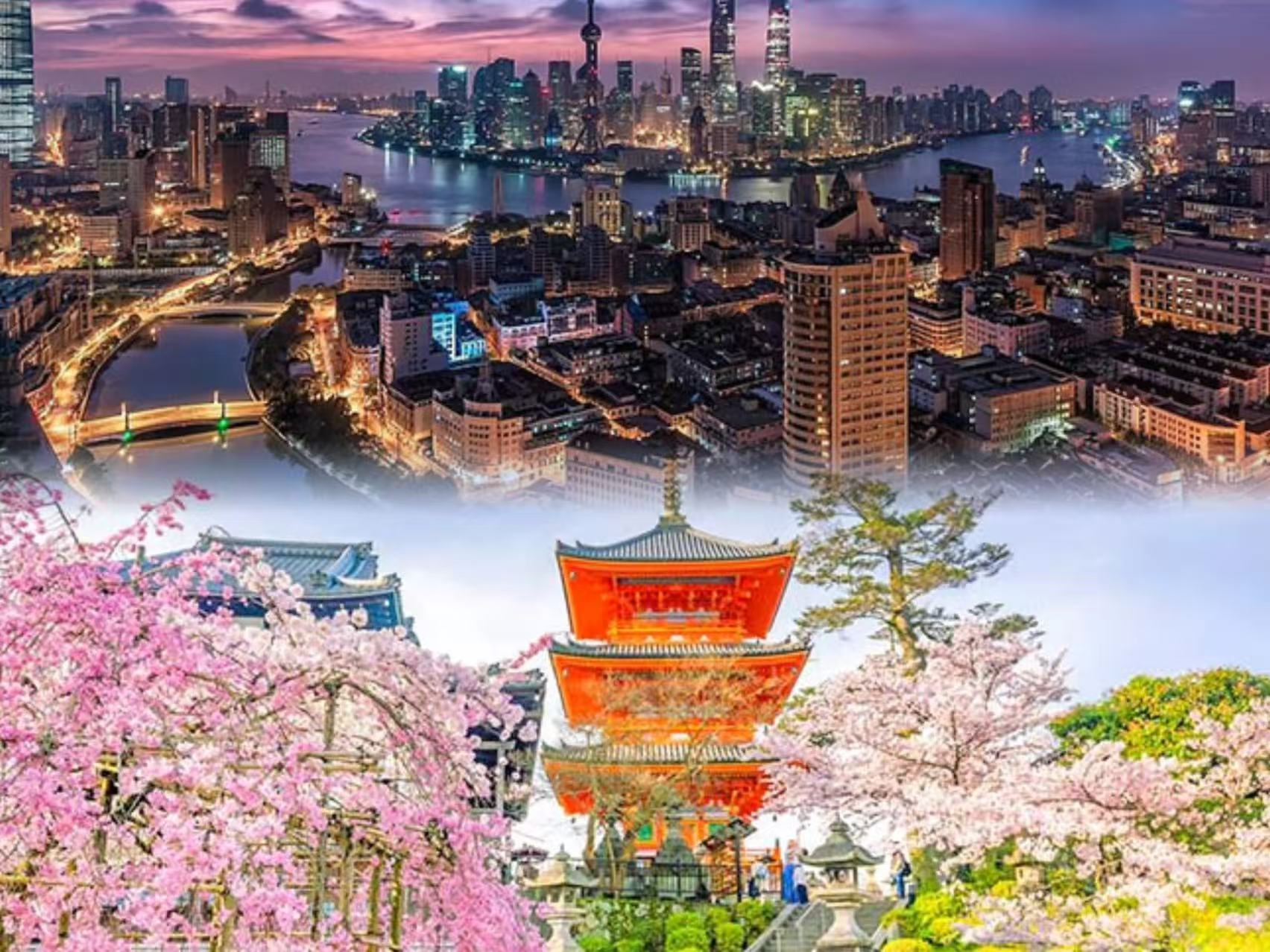
17 Days China Japan Group Tour: Culture, Nature & Cherry Blossoms
Day 1 · Arrival in Shanghai | Airport Pick-up and Hotel Check-in
Overview: Arrive at Shanghai airport, airport pick-up, transfer to your hotel and check-in.
Attractions: Explore freely today
Activities: Arrive in Shanghai by yourself; vehicle
Accommodation: Comfortable
Nihao! Welcome to Shanghai, China's most internationalized and vibrant city! Shanghai's long-term fusion of Eastern and Western cultures has contributed to Shanghai's unique culture. Upon your arrival at the airport/train station in Shanghai, the driver will meet and greet you at the exit, and then escort you to the well-selected hotel in downtown Shanghai. The rest of the day is free on your own so you can have a good rest for the jet lag or explore by yourself around your hotel. Arrival Ideas: Travelers can go to Shanghai easily by air or high speed train. There are two airports - Shanghai Pudong International Airport and Shanghai Hongqiao International Airport operating numerous international and domestic airlines. Travelers can go to Shanghai by air from most cities in China, like Beijing, Xian, Guangzhou, Chengdu, Guilin, Kunming, Lijiang, Lhasa, and more. In addition, travelers can take high speed train to Shanghai from Beijing (4.5-6 hours), Xian (6-7.5 hours), Huangshan (2.5-3 hours), Guangzhou (7-8.5 hours), Suzhou (0.5 hour), Hangzhou (about 45 mins), Wuhan (3.5-4.5 hours), etc.
Day 2 · Shanghai City Tour | Shanghai Museum, Shanghai Tower, Yu Garden & Bazaar, Nanjing Road & The Bund
Overview: Discover ancient and modern Shanghai through its Shanghai Tower, Yu Garden, Yuyuan Bazaar, Nanjing Road, The Bund. (B+L)
Attractions: 5 iconic sites
Activities: vehicle
Meals: Breakfast,Lunch
Accommodation: Comfortable
Today, your group will have full day to experience the perfect blend of East and West in the "Paris of the East." Explore brilliant museums, classical gardens, futuristic skyscrapers, and stunning architecture - all in one vibrant city. First, head to Pudong and the Lujiazui financial district, home to a trio of iconic skyscrapers. The Shanghai Tower, China's tallest and the world's second-tallest building at 632 meters (2,073 ft), soars with a dramatic 120-degree twist from base to peak. Ride the world's fastest elevators (64 km/h) to the "Top of Shanghai Observatory" on the 118th floor, 546 meters above ground. Enjoy breathtaking 360-degree views of the city, with the Jin Mao Tower and Shanghai World Financial Center below. Later, visit the Shanghai Museum (East), one of the world's finest museums of ancient Chinese art. Its sleek, modern design is inspired by the traditional Chinese jade bi disc. Inside, explore galleries of bronzes, ceramics, calligraphy, paintings, jade, furniture, coins, and sculptures. Don't miss iconic treasures like the Da Ke Ding, a 3,000-year-old bronze vessel, displayed with the Zi Long Ding and Marquis of Jin Bells - a rare highlight of the Bronze Gallery. Also, see the legendary Sword of King Goujian of Yue, a masterpiece of ancient craftsmanship. Next, visit Yu Garden, Shanghai's most famous classical garden, hidden in the heart of the city. Stroll through elegant pavilions, rockeries, and lotus ponds, and admire exquisite carvings and traditional architecture. Outside, Yuyuan Bazaar offers local snacks, souvenirs, and handcrafted art. In the afternoon, walk along Nanjing Road Pedestrian Street, lined with global brands, cafes, and historic buildings. End at the Bund, Shanghai's top must-see landmark. Known as the "Exhibition of International Architecture," it features 52 grand buildings in Gothic, Baroque, and Art Deco styles. From here, enjoy a stunning view of the Pudong skyline across the Huangpu River. Travel Notes: Yu Garden is closed on Mondays. In this case, we may visit the City God Temple, or French Concession Shanghai Museum (East) is closed on Tuesdays. You will visit Shanghai Museum (People's Square) on that day. If access to the People's Square location is unavailable, we will arrange an alternative city attraction.
Day 3 · Shanghai to Zhangjiajie by Flight | Zhangjiajie Airport Pick-up & Hotel Check-in
Overview: Get to Zhangjiajie by flight from Shanghai, airport pick-up, and hotel check-in. (B)
Attractions: explore freely on your own
Activities: vehicle
Meals: Breakfast
Accommodation: Zhangjiajie downtown
On this day, you will have some free time till be met in the hotel lobby and escorted to the airport for your flight to Zhangjiajie (about 2.5 hours). Welcome to Zhangjiajie, an incredible place where you can see Avatar Hallelujah Mountain in reality! Upon your arrival in Zhangjiajie, the local driver will greet you at the exit of the airport, and then escort you to your hotel in Wulingyuan Area. Enjoy some free time on your own after the hotel check-in.
Day 4 · Zhangjiajie Wulingyuan Tour | Yuanjiajie, Tianzi Mountain
Overview: Explore in Wulingyuan Scenic Area by visiting Yuanjiajie, Tianzi Mountain. (B+L)
Attractions: 2 sites
Activities: sightseeing bus
Meals: Breakfast,Lunch
Accommodation: Wulingyuan
After breakfast, you will have a whole day to explore Wulingyuan Scenic Area, a spectacular island of nature dominated by more than 3,000 narrow quartz sandstone pillars. First, take a sightseeing bus to Bailong Elevator that within 1.5 minutes you can go from the valley bottom up to the pillar peak. It is the fastest and as well as the tallest outdoor elevator in the world. Next, enjoy the hike into a mysterious Pandora World - Yuanjiajie, where is rightly the shooting location of “Hallelujah Mountains” in reality. Catch the chance to shoot South Sky Pillar, the landmark of Yuanjiajie, about 150 meters high vertically rising high from the deep valley, looking like a giant standing so upright under heaven. Go to the Enchanting Platform for a marvel at the unbelievable scenery with hundreds of various peaks like bamboo shoots towering from the grounds. And then enjoy the lush scenery of Natural Bonsai at Backyard Garden. Next, take the sightseeing bus to the second tourist site - Tianzi Mountain Nature Reserve which was named after the leader of the local Tujia ethnic group - Xiang Dakun in early Ming Dynasty (1368-1644). It is a fairyland in moive Monkey King. Hike to He Long Park which has a fascinating viewing deck to appreciate the incredible and magnificent scene of peculiar stone peaks. Move to Dianjiang Terrace to overlook the West Sea Stone Forest, rugged rock rising out of a misty canyon. After the tour, get back to your hotel in Wulingyuan for a good rest.
Day 5 · Zhangjiajie Tour | Zhangjiajie Grand Canyon Glass Bridge, Baofeng Lake
Overview: Tour Zhangjiajie Grand Canyon Glass Bridge, Baofeng Lake (B+L)
Attractions: 2 sites
Activities: vehicle
Meals: Breakfast,Lunch
Accommodation: Wulingyuan
After breakfast, you will be transferred to the Zhangjiajie Grand Canyon for the breathtaking Grand Canyon Glass Bridge experience. The Grand Canyon Glass Bridge wants to say “hello” to you and makes you yell “my god” to give a deeper impression of Zhangjiajie. Suspended between two peaks, the glass bridge is 430 meters long and 300 meters high, which is the longest and highest glass bridge in the world. Standing on the transparent glass is like floating in the air and you can have superb panoramic view of the entire Grand Canyon. After your “tremble” on the glass bridge, move to the Baofeng Lake to do a scenic cruise to bring you back to peace. Surrounded by green trees and stone peaks of various shapes, Baofeng Lake is an idyllic place for relaxation. When leisurely cruising on the boat, you can see the reflection of the marvelous peaks and enjoy the folk songs performed by the local minority people. Return back to your hotel in Wulingyuan.
Day 6 · Zhangjiajie to Xian by Flight | Tianmen Mountain
Overview: A full day to explore Tianmen Mountain and fly to Xian (B+L)
Attractions: 1 site
Activities: flight, vehicle
Meals: Breakfast,Lunch
Accommodation: Comfortable
After breakfast, your guide and driver will pick you up at your hotel lobby. Today, you will make a breathtaking visit to Tianmen Mountain, one of the world's most beautiful mountains. You won't miss the chance to experience the world's longest cable car, walk on the glass skywalk, and pay a visit Heaven's Door and view Avenue toward Heaven with 99 turns. First, go to take the 30-minute cable car with 7,455 meters in length which means you'll travel from the city of Zhangjiajie to the top of Tianmen Mountain. From the cable car you will have a perfect view of Heaven's Door and a shocking look at the wandering Avenue toward Heaven. Next, move to Tianmen Temple where you can enjoy the typical Qing Dynasty styled Buddhist structure with verdant forest surrounding by. Now, the challenge time is coming. Hold your breath to experience the scary walks on the cliff path hanging on the mountain. Walk on the Glass Skywalk, which is transparent glass 1430 meters above the bottomless valley, giving you a thrilling feeling like walking in the sky. Also, try the 1.6-kilometer-long Cliff-Hanging Walkway, built along the edges of the mountain's summits. Amazing, isn't it? After that, go down by escalator from the peak to Tianmen Cave which is also known as “Heaven's Door”. Tianmen Cave is a natural arch between two peaks of a height of 131.5 meters, rising above the ground and closing to the sky with a lofty and towering posture. It is the highest hole of its sort in the world. (Note: Tianmen Mountain is the famous spot for Wingsuit Flying, you might have a chance to witness this unbelievable sport there.) After the memorable time, take the cable car down the mountain. And then, you will be transferred to Wulingyuan area and have accommodation here. After the tour, it is time to say goodbye to Zhangjiajie. You will be escorted to the airport for your night flight to Xian (about 2 hours). Upon your arrival in Xian, the local driver will meet you at the exit of the airport and escort you to your hotel. Optional Transfer Plan from Zhangjiajie to Xian in the Off-Season: During the off-season, if there is no direct flight from Zhangjiajie to Xian, we will adjust the plan for you: transfer from Zhangjiajie to Changsha by high-speed train, and then take a flight from Changsha to Xian.
Day 7 · Xian City Tour | Terracotta Warriors, Ancient City Wall, Bell Tower (or Drum Tower)
Overview: A historic tour in Xian with Terracotta Warriors, Ancient City Wall and Bell Tower (or Drum Tower). (B+L)
Attractions: 3 sites
Activities: vehicle
Meals: Breakfast,Lunch
Accommodation: Comfortable
After breakfast, your guide and driver will pick you up at your hotel. Drive about 40km (about 1 hour) to uncover one of the greatest archaeological discoveries in the world - the Terracotta Army Museum, built by the first emperor of China, Qin Shihuang, to protect him in the afterlife. Around 8,000 vivid life-size Terracotta Warriors have been found so far. First, visit the largest and most imposing pit, believed to contain over 6,000 terracotta figures of soldiers and horses. You will be amazed by this subterranean life-size army of thousands standing silently to guard the emperor. Marvel also at the fabulous artistic skills of ancient Chinese artisans. Next, move to another pit where you can see around 1,300 warriors and horses. Examine the ancient army formation, including the kneeling and standing archers, the chariot war array, and numerous troopers holding weapons. After lunch, head to visit the Ancient City Wall, also known as the Fortification of Xian, representing one of the oldest, largest, and best-preserved Chinese city walls. Spend time leisurely walking the wall and enjoying its inner and outer walls, watchtowers, and moat, taking in panoramic views of modern Xian, there, you will also visit the awe-inspiring Bell Tower (or Drum Tower), a landmark from the Ming Dynasty dating back 600 years, will be beautifully illuminated, creating a captivating backdrop for stunning photos showcasing the harmonious blend of ancient history and modernity in Xian. In the evening, you may also have the chance to visit the lively Bell & Drum Tower Square (Zhongulou Square), allowing you to immerse yourself in Xian's vibrant nightlife like a local.
Day 8 · Xian to Beijing by High Speed Train | Giant Wild Goose Pagoda, Muslim Quarter
Overview: Visit Giant Wild Goose Pagoda, Muslim Quarter first, get to Xian by high-speed train, train station pick-up. (B)
Attractions: 2 sites
Activities: high speed train, vehicle
Meals: Breakfast
Accommodation: Comfortable
In the morning, you will visit Giant Wild Goose Pagoda, one of Xi'an's most recognizable landmarks and a symbol of the magnificence of the Tang Dynasty. This seven-story pagoda, standing in the tranquil Da Ci'en Temple, is one of China's best examples of a Tang-style pagoda (squarish rather than round). It was completed in AD 652 to house Buddhist sutras brought back from India by the monk Xuan Zang. His travels inspired one of the best-known works of Chinese literature, Journey to the West. Later, you will have the opportunity to explore the vibrant and bustling Muslim Quarter, one of the most famous neighborhoods in Xi'an. Stretching for about 500 meters, this area is home to the city's Hui Muslim community. Enjoy the lively atmosphere and especially the mouthwatering street food. You can try famous Xi'an specialties such as Roujiamo, Yangrou Paomo, Biangbiang noodles, and kebabs. After the tour, you will be transferred to the train station for your high speed train to next destination - Beijing. Upon arrival in Beijing, your driver will meet you at the train station and escort you to your hotel. The rest of the day is free on your own so you can explore by yourself around your hotel.
Day 9 · Beijing City Tour | Tian'anmen Square, Forbidden City, Jingshan Park, Summer Palace
Overview: A full-day Beijing tour with Tian'anmen Square, Forbidden City, Jingshan Park, and Summer Palace. (B+L)
Attractions: 4 iconic sites
Activities: vehicle
Meals: Breakfast,Lunch
Accommodation: Comfortable
Today you will spend the whole day exploring the ancient citadel of Beijing through China's famous landmarks, imperial grandeur, and royal gardens. After breakfast, your guide will pick you up at your hotel and head to Tiananmen Square, the world's largest public square and symbol of China. It has witnessed many major events in China's history over the past decades, and from here you can take great photos of Tiananmen Gate, seen daily on CCTV News. Walking across the square, you will visit the mighty and splendid Forbidden City, the world's largest palace complex and former home of 24 Chinese emperors. Listed as a UNESCO World Heritage site, the Forbidden City has about 500 years of history, serving as the political and ritual center of China during the Ming (1368-1644) and Qing (1644-1911) dynasties. With over 8,700 rooms, it is not only China's largest and best-preserved collection of ancient buildings, but also a city within a city, like the Vatican in Rome. Enter through the Meridian Gate and visit along the central axis to ensure you see all the highlights. Admire the brilliant architecture and numerous ancient treasures while listening to your guide share stories of the emperors who once lived here. Later, take a 15-minute walk up to Jingshan Park, where you can enjoy magnificent panoramic views over modern Beijing and the Forbidden City's russet roofs. (Note: It requires some walking, so please wear comfortable footwear. You can decide whether or not to climb to the top based on your physical condition.) In the afternoon, drive to the Summer Palace, the "Museum of Royal Gardens," once a summer retreat for royal families. The grounds, temples, gardens, pavilions, lakes, bridges, gate-towers, and corridors are marvels of landscape design. Take a leisurely stroll to appreciate the imperial architecture, hilltop views, and beautiful lakes, which offer a pastoral escape into the landscapes of traditional Chinese painting. (Travel Note: Beijing's Forbidden City is closed on Mondays. On those days, you will instead visit the Temple of Heaven or Prince Gong's Mansion.)
Day 10 · Beijing Great Wall Tour | Mutianyu Great Wall, Glimpse of Bird's Nest & Water Cube
Overview: A visit to Mutianyu Great Wall by cable car (round-trip), a glimpse of Bird’s Nest & Water Cube on the way back downtown. (B+L)
Attractions: 3 sites
Activities: Coach
Meals: Breakfast,Lunch
Accommodation: Comfortable
In this morning, you will head northwest of Beijing (about 1.5-2 hours' drive, 73km) to the Great Wall at Mutianyu. The Great Wall boasts a history over 2,000 years and stretches more than 3,000 miles across several provinces of northern China, making it one of the most impressive ancient masterpieces on the planet. Mutianyu Great Wall is connected with the Jiankou Great Wall in the west and the Gubeikou Great Wall in the east. Mutianyu is the longest and best fully-restored Great Wall with fewer tourists and is also famed for its 23 Ming-era watchtowers and stunning views. Take the cable car up to the 14th watchtower and then enjoy the memorable hiking time on the wall while visiting its western route. With the green pines and cypresses covering the surrounding area, and the winding wall standing majestically on the vast land, you will capture the most stunning natural scenery in this section. Challenge yourselves while climbing up to the 20th watchtower where you could fulfill your Great Wall dream. Cherish the chance and take photos as many as you like! After the once-in-lifetime experience, head back to downtown Beijing and have the chance to take photos with the exterior of the Bird's Nest (Beijing National Stadium) and Water Cube (Beijing National Aquatics Center). They were both designed for the 2008 Beijing Olympics and used for the 2022 Winter Olympic Games. After that, transfer back to your hotel and have a good rest tonight.
Day 11 · Beijing Flight to Tokyo | Airport Transfers and Hotel Check-in
Overview: Airport Transfers (B)
Attractions: 0 Sites
Activities: Vehicle
Meals: Breakfast
Accommodation: Comfortable
You will have some free time in Beijing and explore more on your own till be escorted to the airport for your flight to Tokyo. Konnichiwa (こんにちは)!Welcome to Tokyo, the capital city of Japan! Upon arriving at the airport, you will transfer to the designated hotel in Tokyo. The accommodation in Tokyo will be a 4-star hotel in a convenient location. Tokyo, the capital of Japan, is one of Japan and Asia's largest economic centers. Tokyo is a hub for Japanese culture and art, with numerous museums, art galleries, theaters, and cultural venues, serving as a vital platform for artistic activities and cultural exchanges. Tokyo stands as a significant base for technological advancement, nurturing numerous high-tech companies and innovative talents, holding leading positions globally in areas like electronics, automotive, and robotics technology. Situated at the southern end of the Kanto Plain, Tokyo is surrounded by diverse natural landscapes including Mount Fuji, providing residents with leisure and outdoor activity spaces. At one point, the population of the Tokyo metropolitan area reached 36 million, accounting for one-third of Japan's total population. Despite the high cost of living, Tokyo provides residents with convenient living conditions, offering a plethora of shopping centers, entertainment facilities, and a rich culinary culture ranging from fine dining to street food.
Day 12 · Tokyo Tour | Ueno Park (Sakura), Senso-ji Temple (Sakura), Meiji Jingu Shrine, Shibuya Crossing
Overview: Explore Tokyo on a group tour, visiting Ueno Park (Sakura), Senso-ji Temple (Sakura), Meiji Jingu Shrine, and the iconic Shibuya Crossing. (B)
Attractions: 4 Sites
Activities: Vehicle
Meals: Breakfast
Accommodation: Comfortable
Full day explore Tokyo & Sakura (Cherry Blossom). In the morning head to Ueno Park. It is one of the city's largest parks and one of Japan's most famous cherry blossom viewing spots, boasting over 1,300 cherry trees. The cherry blossoms bloom every spring, especially in early April, creating a breathtaking spectacle of falling cherry petals carried by the wind. The park is home to numerous museums and art galleries, including the Tokyo National Museum (Closed on Mondays) and the National Museum of Western Art (a World Heritage Site). In Ueno Park, you can also hear the calls of Japan's national bird, the crow, as they fly and search for food. After that, head to Senso-ji Temple (Asakusa Kannon Temple), a must-visit for anyone traveling to Tokyo. Here, you can experience the heart of old Tokyo and its vibrant atmosphere. You can take photos that frame Senso-ji Temple and the Tokyo Skytree (Japan's Tallest Tower; 634 meters) together. Senso-ji Temple is a great place to view cherry blossoms in Tokyo! The temple is located in Asakusa, a popular neighborhood known for its cherry blossoms. There are several cherry trees in the temple grounds, as well as in the surrounding area. Senso-ji Temple was built in 628 AD and has a history of over 1300 years, making it one of Japan's oldest temples. It not only witnesses Japan's historical changes but also carries a rich Buddhist culture. The architectural style of Senso-ji Temple blends Japanese traditional culture and art, with rich colors and exquisite carvings. The main buildings include the main gate (Kaminarimon; a landmark of Tokyo), the bell tower, the five-story pagoda (a landmark of Tokyo), and the main hall, all reflecting ancient Japanese architectural style and religious beliefs. Kaminarimon is the iconic structure of Senso-ji Temple, towering at 11.7 meters high and 21.7 meters wide, truly spectacular. Giant red lanterns hang in front of the gate, with the words "Kaminarimon" prominently displayed. Kaminarimon is not only a symbol of Senso-ji Temple but also one of Tokyo's most famous landmarks. You may have seen the work of Utagawa Hiroshige, one of the "Three Greats of Ukiyo-e," in his piece "One Hundred Famous Views of Edo: Asakusa Kaminarimon," depicting a snowy scene of the Kaminarimon gate, celebrated for its delicate portrayal and profound imagery, becoming a masterpiece of Ukiyo-e art. The area is bustling, and crowded with people coming to pray and seek blessings for health, peace, and happiness. Around Senso-ji Temple, you can taste various Japanese cuisines, purchase unique souvenirs, and participate in various celebratory activities. In this afternoon, visit Meiji Jingu Shrine (Meiji Shrine), a Shinto Shrine dedicated to Emperor Meiji (1852-1912) and Empress Shoken (1849-1914), who played a crucial role in modernizing Japan while excelled in writing Waka (traditional Japanese poems of 31 syllables in the pattern 5-7-5-7-7). Meiji Shrine is also a popular venue for traditional weddings, where you will have the opportunity to witness a Japanese wedding procession and experience the charm of Japanese traditional culture. The Meiji Shrine is nestled within a tranquil forest that covers an area of 70 hectares, providing a peaceful escape from the bustling city. This forest is home to over 100,000 trees that were donated from regions across Japan during the shrine's construction, in honor of their beloved Emperor Meiji (who established Shinto as the state religion) and Empress Shoken. Take a stroll along the paths and enjoy the fresh air and natural beauty. You will walk through Japan's largest wooden Torii gate, standing in its natural wooden hue and weighing up to 13 tons. The Torii gate serves as the Symbol of Shinto Shrines, marking the transition from the worldly to the sacred. Then, you will notice the impressive Sake Barrel Wall along the South Approach, which features offerings from sake breweries and believers across Japan, including barrels of sake and Western liquor, reflecting Emperor Meiji's fondness for Western culture. At the main hall of Meiji Shrine, you can witness locals washing their hands and rinsing their mouths at Purification Font before worship as a sign of respect. You can offer a 5-yen coin (symbolizing a connection) like locals and pray for blessings. In the eyes of the Japanese, Meiji Shrine is considered to have such boundless capabilities, from naming ceremonies for newborns, to coming-of-age ceremonies, graduation ceremonies, seeking marriage partners, praying for world peace, family well-being, safe travels, good health, warding off calamity, etc. In addition to immersing yourself in Japanese Shinto traditions and architecture, revel in the enchanting surroundings filled with lush trees, serene ponds, graceful bridges, and stone pathways that epitomize the essence of traditional Japanese garden art. You should visit here to enjoy the vibrant bloom of cherry blossoms in spring, the verdant beauty of summer, the fiery hues of autumn leaves, and the serene snowy landscapes of winter. Tips for Visiting Meiji Jingu Shrine: Wear modest clothing: Respect the sacred nature of the shrine by dressing appropriately. Be mindful of noise levels: Maintain a quiet and respectful atmosphere. Inner Garden (Optional; self-pay; once Imperial Property), and Meiji Jingu Museum (Optional; self-pay; items used by the imperial couple). Then, move to visit Shibuya Crossing, one of the busiest intersections in the world, accommodating approximately 3,000 people per minute. As one of Tokyo's iconic locations, Shibuya attracts tourists and photographers from around the globe who come to observe and capture its essence. Numerous movies, TV shows, commercials, and music videos are filmed at this location, such as "The Fast and the Furious: Tokyo Drift." Additionally, if you're interested in the story of Hachiko, the loyal dog, you can also visit his bronze statue. This Hachiko Statue is located outside Shibuya Station and was erected to commemorate Hachiko's loyalty. Not only is it a popular meeting spot, but it's also a must-visit attraction for tourists. The statue symbolizes the power of loyalty and love, serving as a touching tribute. Stay overnight in Tokyo.
Day 13 · Tokyo - Lake Kawaguchi (View Mt. Fuji) - Tokyo | Arakurayama Sengen Park, Lake Kawaguchi (with Cruise)
Overview: Travel from Tokyo to Mount Fuji, and visit Arakurayama Sengen Park and Lake Kawaguchi, including a scenic cruise, before returning to Tokyo. (B)
Attractions: 2 Sites
Activities: Vehicle, Cruise
Meals: Breakfast
Accommodation: Comfortable
Today, it will be a full-day round trip to admire the breathtaking views of Mount Fuji from Lake Kawaguchi, Mount Fuji is the tallest mountain in Japan. It's a famous volcano with a perfectly symmetrical cone shape. Visiting Mount Fuji is essential for any traveler in Japan. As a UNESCO World Heritage Site, Mount Fuji (3,776m) stands as an iconic symbol of Japan, a cultural and spiritual landmark (recognized as a holy mountain in Shintoism), and a natural marvel. When picturing Mount Fuji, its distinctive perfect cone shape and snow-capped peak likely come to mind. Among the most renowned depictions is Katsushika Hokusai's 'Thirty-Six Views of Mount Fuji'. Hokusai, one of the "Three Greats of Ukiyo-e", is best known for his masterpiece "The Great Wave off Kanagawa" which can be seen on the 1,000 Japanese yen bill. Start your journey to Arakurayama Sengen Park on the way to Lake Kawaguchi. Arakurayama Sengen Park is a popular destination for viewing cherry blossoms, renowned for its early blooming sakura trees. The park features Kawazu zakura, a unique variety of cherry trees known for its large, pink blossoms. The park's cherry trees typically bloom earlier than those in other regions of Japan, making it a great choice for those who want to experience the beauty of Sakura in February or early March. The park offers breathtaking views of the Kawazu River and surrounding mountains (framing Mt. Fuji, Sakura & Five-story pagoda together), providing a picturesque backdrop for your cherry blossom experience. During the peak cherry blossom season, the park hosts a lively festival with food stalls, traditional performances, and other festivities. Hike about 15-20 minutes up to Arakurayama Sengen Shrine, dedicated to the mountain god. The shrine is surrounded by beautiful gardens and offers a peaceful atmosphere. Enjoy the gorgeous scenery and capture iconic photos at the famous Red Fuji Observation Deck. Next, head to Lake Kawaguchi, another excellent location to leisurely view Mount Fuji. The lake boasts crystal-clear waters, providing breathtaking views of the iconic mountain and a serene atmosphere. Enjoy a cruise on the tranquil waters to marvel at the stunning reflection of Mt. Fuji in Lake Kawaguchi. Additionally, take a leisurely stroll around the lake and explore the nearby parks, galleries, and museums based on your interests. After that, head back to Tokyo overnight and have a good rest. Notes: It is a long day trip, and there will be a surcharge if the tour exceeds 8 hours (For Guide, driver & vehicle). If the weather is clear, you can enjoy a good view of Mt. Fuji. However, if the weather is not favorable, Mt. Fuji may not be visible. The best time to view Mount Fuji is generally from December to February when skies are clearer and the peak is snow-capped. And also, April to May (for blooming cherry blossoms) and October to November (for the autumn foliage) are good times. Early mornings often provide the best visibility before clouds obscure the view. Different locations around Mount Fuji offer varying perspectives, with some spots known for their clear views.
Day 14 · Tokyo to Kyoto by Shinkansen (Bullet Train) | Free Exploration in Kyoto
Overview: Travel from Tokyo to Kyoto by Shinkansen (Bullet Train), and enjoy free time to explore Kyoto at your own pace. (B)
Activities: Shinkansen, Vehicle
Meals: Breakfast
Accommodation: Comfortable
On this day, your driver in Tokyo will take you to the train station, where your group will board the Shinkansen (bullet train) to Kyoto. Shinkansen Ride Experience: At Tokyo Station, board the Shinkansen bound for Kyoto Station (about 2.5 hours). This fast and comfortable journey offers an opportunity to enjoy the changing landscapes of urban and rural Japan. Upon arrival in Kyoto, your driver will greet you and transfer you to your hotel. Check in, take some time to settle in, and rest. Kyoto, located in the Kansai region of the country, was once the capital of Japan. It epitomizes ancient Japan and is famous for tranquil temples, exquisite gardens, colorful shrines, grand imperial palaces, and ornate castles. Boasting 17 UNESCO World Heritage Sites, over 1,000 Buddhist temples, and more than 400 Shinto shrines, Kyoto is among the world's most culturally rich cities. It's also known for traditional Japanese arts and practices, such as tea ceremonies, kaiseki dining (a traditional multi-course meal), and ikebana (flower arranging). It remains one of the best places to see geishas, who are traditional Japanese female entertainers known for their refined skills in arts, music, dance, and conversation. Free Time Ideas in Kyoto: Evening Stroll Along the Kamo River: This river flows through the city and provides walking paths with beautiful views. Many cafes and restaurants along the river have terraces, perfect for a relaxing end to your day. Walk the Philosopher's Path: Enjoy a peaceful walk along the Philosopher's Path, a stone path lined with cherry trees that follows a canal in northeastern Kyoto. This path is especially beautiful during cherry blossom season but offers a serene experience year-round.
Day 15 · Kyoto Tour | Kiyomizudera Temple (Sakura), Ninenzaka & Sannenzaka, Maruyama Park (Sakura), Gion, Tea Ceremony
Overview: Visiting Kiyomizudera Temple (Sakura), strolling through Ninenzaka and Sannenzaka, enjoying the scenic beauty of Maruyama Park (Sakura), exploring the historic Gion district and experience tea ceremony. (B)
Attractions: 5 Sites
Activities: Vehicle
Meals: Breakfast
Accommodation: Comfortable
In the morning, visit Kiyomizudera Temple, a UNESCO World Heritage Site. Perched on the hillside of Eastern Kyoto, this temple is renowned for its wooden stage that juts out over the hill, providing stunning views of the city and the surrounding nature. The temple's main hall, constructed entirely without the use of nails, is an architectural marvel. Kiyomizu-dera is also celebrated for its sacred waters, which are believed to have wish-granting powers that draw countless visitors who come to drink from its stream. Don't miss the Hondo (Main Hall), Jishu Shrine, the Otowa Waterfall, and the spiritual experience of the Tainai-Meguri room. Tips: The scenery at Kiyomizu-dera Temple is distinctively beautiful in each season, offering a unique charm year-round. In spring, the mountains are adorned with charming cherry blossoms; in summer, they are lush with vibrant greenery; in autumn, they are decorated with brilliantly colored leaves; and in winter, they are filled with enchanting trees. You will enjoy the soft pink sakura ice cream (specially prepared for free by Asia Odyssey Travel) while having a wonderful time here. Then, walk up the well-preserved streets of Ninenzaka and Sannenzaka. These charming, sloping streets are lined with traditional shops and quaint tea houses, offering a nostalgic glimpse into Kyoto's past. As you stroll through these areas, you can shop for unique crafts, sample local snacks, and perhaps stop at a café to relax and soak in the atmosphere of old Kyoto. Continue to Maruyama Park for viewing Sakura. Located near Kiyomizu-dera Temple and Gion District, Maruyama Park is renowned for its stunning display of sakura, particularly the iconic weeping cherry tree (shidarezakura) near the shrine. The park is home to Yamataka-no-Otoko Shrine, a popular Shinto shrine that attracts many visitors throughout the year. Next, move to Gion which is Kyoto's famous geisha district. Here, you might catch a glimpse of Geisha (Geiko) in their elaborate kimonos and traditional makeup. As you wander through the cobblestone streets of Gion, take a moment to appreciate the beautifully preserved machiya (wooden townhouses), ochaya (teahouses), and exclusive ryotei (traditional Japanese restaurants). Gion is particularly enchanting at dusk when the lanterns are lit and geishas and maiko (apprentice geishas) make their way to evening appointments, making the narrow lanes come alive. The final activity today is to experience a traditional tea ceremony in an authentic setting, following the artful rituals and savoring the tea. Immerse yourself in the philosophy behind the ceremony. After the tour, your group will be escorted to your hotel in Kyoto.
Day 16 · Kyoto Tour | Kinkakuji Temple (Sakura), Nijo Castle, Sagano Scenic Railway or Yakatabune Boat (Sakura), Arashiyama Bamboo Grove, Tenryuji Temple, Togetsukyo Bridge
Overview: In Kyoto group tour, visiting Kinkakuji Temple (Sakura), Nijo Castle, experiencing Sagano Scenic Railway or by boat (Sakura), exploring the Arashiyama Bamboo Grove, Tenryuji Temple, and the iconic Togetsukyo Bridge. (B)
Attractions: 5 Sites
Activities: Vehicle
Meals: Breakfast
Accommodation: Comfortable
Today, you'll be visiting some of Kyoto's most iconic spots, then head to the Arashiyama and Sagano areas located in the northwest of Kyoto. This itinerary will not only allow you to deeply experience Kyoto's culture and history but also bring you closer to nature, letting you feel the changes of the seasons. Start your day with a visit to one of Kyoto's most iconic sights, Kinkakuji Temple (Golden Pavilion) - a UNESCO World Heritage site. This Zen Buddhist temple is famous for its stunning golden exterior. The temple's stunning visual appeal comes from its top two floors, which are completely covered in gold leaf. The reflection of the golden structure shimmering in the pond in front of it, makes it perfect for photos and quiet reflection. It was originally built in 1397 as a retirement villa for Shogun Ashikaga Yoshimitsu. After Yoshimitsu's death, as per his will, the villa was converted into a Zen temple by his son. Next, head to Nijo Castle, another UNESCO World Heritage site, to delve deeper into Japan's feudal history. Constructed in 1603 as the Kyoto residence of Tokugawa Ieyasu, the first shogun of the Edo period, its expansive grounds and ornate architecture highlight the power and wealth of the dominant samurai clans during the Edo period (1603-1867). The castle features two concentric rings of fortifications, each consisting of a wall and a wide moat. After passing through the grand Kara-mon (gate), you will enter Ninomaru Palace, which is divided into five buildings with numerous chambers. The interiors are adorned with masterful paintings by the Kano school, reflecting the cultural and artistic heritage of the era. The castle is renowned for its "nightingale floors," (that sing and squeak at every move, making it difficult for intruders to move about quietly), designed as a security measure against intruders. Don't miss the excellent Ninomaru Palace Garden, which was designed by the tea master and landscape architect, Kobori Enshu. Nijo Castle holds a significant place in Japanese history. It was at Nijo Castle in 1867 that Tokugawa Yoshinobu, the 15th and last shogun of the Tokugawa dynasty, declared the restoration of imperial rule, leading to the Meiji Restoration. This event marked the end of the shogunate system in Japan and the beginning of modern Japan as a nation-state. This afternoon, you will fully explore the Arashiyama area in the western part of Kyoto. Based on Sakura season ticket availability, take one of the following two experiences: Option 1: Sagano Scenic Railway Experience (25-30 minutes) The Sagano Scenic Railway is a sightseeing train line running between Arashiyama and Kameoka. The train travels along the Hozugawa River gorge, offering breathtaking views of the surrounding forests and mountains. During spring, the old-fashioned train moves at a leisurely pace, allowing you to marvel at the stunning sight of pink cherry blossoms blanketing the forests and hillsides. Option 2: Yakatabune (Houseboat Pleasure Boat, 30 minutes) Enjoy a tranquil ride on traditional Yakatabune. As you glide along the Hozugawa River, take in the enchanting views of cherry blossoms lining both sides of the river. The serene scene of pink petals drifting on the water creates a poetic and picturesque atmosphere - truly an idyllic experience. And then, walk to the nearby Arashiyama Bamboo Grove. The famous pathway is surrounded by towering bamboo, which creates an otherworldly atmosphere. This path leads you through one of Kyoto's most photographed landscapes. After a short walk, explore Tenryuji Temple which is designated as a UNESCO World Heritage Site and is one of the so-called Kyoto Gozan or "five great Zen temples of Kyoto". Don't miss the garden, designed by the famous Zen master Muso Soseki, which reflects the concept of shakkei ("borrowed landscape"). Tips: The temple and its gardens are particularly beautiful during the cherry blossom season in spring and the colorful foliage season in autumn. Conclude your visit to Arashiyama by walking to the Togetsukyo Bridge, an iconic historical wooden bridge offering picturesque views of the surrounding mountains and river, encapsulating the tranquil beauty of the area. After the tour, drive back to Kyoto downtown. Stay overnight in Kyoto.
Day 17 · Kyoto Departure | Free Day on Your Own
Overview: Depart from Kyoto with self-arranged transfer to the airport. (B)
Meals: Breakfast
It's time to end your 17-Days China Japan Group Tour. You are free to explore Kyoto at your own pace or make your own way to the airport for your departure. Thank you for choosing Asia Odyssey Travel (AOT) for your Asia Tour. We are always committed to providing you with exceptional experiences and look forward to welcoming you again on your next trip to Asia.
中文行程
17天中国日本团体游:文化、自然与樱花
第1天 · 抵达上海,接机并入住酒店
你好!欢迎来到上海,中国最国际化、最具活力的城市!上海长期融合东西方文化,造就了独特的上海文化。当您抵达上海的机场或火车站后,司机会在出口处迎接您,随后送您前往上海市中心精心挑选的酒店。当天剩余时间自由活动,您可以好好休息倒时差,或者在酒店周边自行探索。 抵达建议: 游客可以轻松乘坐飞机或高铁前往上海。上海有两个机场——上海浦东国际机场和上海虹桥国际机场,运营众多国际和国内航线。游客可以从中国大多数城市乘飞机前往上海,如北京、西安、广州、成都、桂林、昆明、丽江、拉萨等。此外,游客可以乘坐高铁从北京(4.5-6小时)、西安(6-7.5小时)、黄山(2.5-3小时)、广州(7-8.5小时)、苏州(0.5小时)、杭州(约45分钟)、武汉(3.5-4.5小时)等地前往上海。 概述:抵达上海机场,接机,送往酒店并办理入住。 景点:今日自由探索 交通与活动:自行抵达上海;车辆 住宿:舒适
第2天 · 上海城市游览:上海博物馆、上海中心大厦、豫园及豫园市场、南京路与外滩
今天,您的团队将有一整天的时间体验“东方巴黎”东西方文化的完美融合。在这座充满活力的城市中,探索精彩的博物馆、古典园林、未来感十足的摩天大楼和令人惊叹的建筑。 首先,前往浦东和陆家嘴金融区,这里有三座标志性的摩天大楼。上海中心大厦是中国最高、世界第二高的建筑,高达632米(2,073英尺),从底部到顶部呈120度的戏剧性扭转。乘坐世界上最快的电梯(时速64公里)到达位于地面546米高的第118层“上海之巅观光厅”。欣赏令人叹为观止的城市360度全景,金茂大厦和上海环球金融中心尽收眼底。 随后,参观上海博物馆(东馆),这是世界上最精美的中国古代艺术博物馆之一。其时尚现代的设计灵感来源于传统的中国玉璧。馆内设有青铜器、陶瓷、书法、绘画、玉器、家具、钱币和雕塑等展馆。不要错过标志性的珍品,如大克鼎,这件拥有3000年历史的青铜器,与子龙鼎和晋侯稣钟一同展出——这是青铜器馆难得的亮点。还可观赏传奇的越王勾践剑,这是古代工艺的杰作。 接下来,参观豫园,这是上海最著名的古典园林,隐藏在市中心。漫步于优雅的亭台楼阁、假山和荷花池之间,欣赏精美的雕刻和传统建筑。外面的豫园市场提供当地小吃、纪念品和手工艺品。 下午,沿着南京路步行街漫步,街道两旁遍布全球品牌、咖啡馆和历史建筑。最后来到外滩,这是上海最不容错过的地标。外滩被称为“万国建筑博览”,拥有52座哥特式、巴洛克式和装饰艺术风格的宏伟建筑。从这里,您可以欣赏到黄浦江对岸浦东天际线的壮丽景色。 旅行须知: 豫园周一闭园。在这种情况下,我们可能参观城隍庙或法租界。 上海博物馆(东馆)周二闭馆。当天您将参观上海博物馆(人民广场馆)。如果人民广场馆无法进入,我们将安排另一个城市景点。 概述:通过上海中心大厦、豫园、豫园市场、南京路和外滩,探索上海的古今风貌。(含早餐+午餐) 景点:5个标志性景点 交通与活动:车辆 用餐:早餐、午餐 住宿:舒适
第3天 · 上海飞往张家界:接机与酒店入住
这一天,您将有一些自由活动时间,随后在酒店大堂集合,乘车前往机场,搭乘飞往张家界的航班(约2.5小时)。 欢迎来到张家界!在这里,您可以亲眼看到现实中的阿凡达哈利路亚山。抵达张家界后,当地司机会在机场出口迎接您,随后送您前往武陵源地区的酒店。办理入住后,您可自由活动。 概述:从上海乘飞机抵达张家界,接机并入住酒店。(含早餐) 景点:自行自由探索 交通与活动:车辆 用餐:早餐 住宿:张家界市区
第4天 · 张家界武陵源之旅:袁家界、天子山
早餐后,您将有一整天的时间游览武陵源风景区。这里是大自然中一片壮观的区域,以3000多座狭窄的石英砂岩柱为主。首先乘坐观光巴士前往百龙电梯,1.5分钟即可从谷底升至峰顶。这是世界上速度最快、也是最高的户外电梯。随后徒步进入神秘的潘多拉世界——袁家界,这里正是现实中“哈利路亚山”的取景地。可以拍摄袁家界的标志性景观南天一柱,它垂直高度约150米,从深谷中拔地而起,像巨人一样直立在天地之间。前往迷魂台,欣赏令人惊叹的景色,数百座形态各异的山峰如竹笋般从地面耸立。然后到后花园欣赏郁郁葱葱的自然盆景风光。 接下来,乘坐观光巴士前往第二个景点——天子山自然保护区。该保护区因明初(1368—1644年)当地土家族领袖向大坤而得名。这里是电影《孙悟空》中的仙境。徒步前往贺龙公园,那里有观景台,可欣赏奇特石峰的壮丽景色。再到点将台,俯瞰西海石林,崎岖的岩石从雾气弥漫的峡谷中拔地而起。 游览结束后,返回武陵源的酒店好好休息。 概述:游览武陵源风景区,参观袁家界、天子山。(含早餐+午餐) 景点:2个景点 交通与活动:观光巴士 用餐:早餐、午餐 住宿:武陵源
第5天 · 张家界之旅:张家界大峡谷玻璃桥、宝峰湖
早餐后,前往张家界大峡谷,体验令人惊叹的大峡谷玻璃桥。大峡谷玻璃桥仿佛在向您“问好”,让您忍不住惊呼“我的天”,从而对张家界留下更深的印象。玻璃桥悬于两峰之间,长430米,高300米,是世界上最长的最高玻璃桥。站在透明玻璃上,如同漂浮在空中,可以欣赏整个大峡谷的绝佳全景。 在玻璃桥上“颤抖”之后,前往宝峰湖乘船游览,让您恢复平静。宝峰湖四周绿树环绕,石峰形态各异,是放松身心的田园般的地方。当悠闲地乘船游览时,您可以看到奇妙山峰的倒影,并欣赏当地少数民族演唱的民歌。 返回武陵源的酒店。 概述:游览张家界大峡谷玻璃桥、宝峰湖(含早餐+午餐) 景点:2个景点 交通与活动:车辆 用餐:早餐、午餐 住宿:武陵源
第6天 · 张家界乘飞机前往西安,游览天门山
早餐后,导游和司机将在您入住的酒店大堂接您。今天您将前往天门山,它是世界上最美丽的山峰之一,景色令人叹为观止。您将有机会体验世界上最长的索道,行走在玻璃栈道上,参观天门洞,并观赏有99道弯的通天大道。 首先,您将乘坐全长7455米的索道,约30分钟,从张家界市区前往天门山顶。在索道上,您可以完整地欣赏天门洞,并惊叹于蜿蜒曲折的通天大道。接下来,前往天门山寺,在那里您可以欣赏典型的清代风格佛教建筑,周围环绕着苍翠的森林。 现在,挑战的时刻到了。请屏住呼吸,体验在悬挂于山崖上的栈道上行走的惊险。行走在玻璃栈道上,透明玻璃位于无底山谷上方1430米处,让您感受如同在空中行走般的惊险刺激。此外,还可以尝试全长1.6公里的悬崖悬挂栈道,它沿着山顶边缘修建。很神奇,不是吗?之后,从山顶乘扶梯下到天门洞,天门洞也被称为“天门”。天门洞是两座山峰之间的天然拱门,高131.5米,高耸入云,气势雄伟。它是世界上此类洞穴中最高的。(注:天门山是著名的翼装飞行地点,您可能有机会目睹这项不可思议的运动。) 在难忘的时光之后,乘坐索道下山。随后,您将被送往武陵源地区,并在此住宿。 游览结束后,是时候告别张家界了。您将被送往机场,搭乘夜间航班前往西安(约2小时)。抵达西安后,当地司机将在机场出口迎接您,并送您前往酒店。 淡季张家界至西安可选交通方案: 在淡季,如果张家界至西安没有直飞航班,我们将为您调整方案:从张家界乘高铁至长沙,然后从长沙乘飞机至西安。 概述:全天探索天门山,然后飞往西安(含早餐+午餐) 景点:1个景点 交通与活动:航班、车辆 用餐:早餐、午餐 住宿:舒适
第7天 · 西安城市游:兵马俑、古城墙、钟楼(或鼓楼)
早餐后,导游和司机将在酒店接您。驱车约40公里(约1小时),前往参观世界上最伟大的考古发现之一——兵马俑博物馆。它由中国第一位皇帝秦始皇修建,用以在来世护卫他。迄今为止,已发现约8,000个栩栩如生、真人大小般的兵马俑。首先参观规模最大、最为壮观的一号坑,据信其中埋藏有超过6,000件陶质士兵和马匹。数千个真人大小的人俑静立地下,守卫着皇帝,您会为此惊叹不已,也会赞叹中国古代工匠的精湛技艺。接下来前往另一个俑坑,在那里可以看到约1,300件武士和战马。考察古代军阵,包括跪射俑和立射俑、战车阵列,以及众多手持武器的士兵。 午餐后,前往参观古城墙,也称西安城墙,是中国最古老、规模最大、保存最完好的城墙之一。您可以在城墙上悠闲漫步,欣赏内外墙、敌楼和护城河,饱览现代西安的全景。在那里,您还将参观令人惊叹的钟楼(或鼓楼),这是可追溯到600年前的明代地标。夜晚灯光璀璨,为拍摄精彩照片营造出迷人背景,展现西安古代历史与现代的和谐交融。傍晚时分,您还有机会前往热闹的钟鼓楼广场,像当地人一样感受西安充满活力的夜生活。 概述:西安历史之旅,游览兵马俑、古城墙和钟楼(或鼓楼)。(含早餐+午餐) 景点:3个景点 交通与活动:乘车 用餐:早餐、午餐 住宿:舒适
第8天 · 乘高铁从西安到北京:大雁塔与回民街
上午,您将前往大雁塔参观。大雁塔是西安最有代表性的地标之一,也是唐代鼎盛气象的象征。这座七层宝塔位于安静的大慈恩寺内,是中国唐代风格佛塔的典型代表之一(塔身方形,而非圆形)。大雁塔建于公元652年,用来存放僧人玄奘从印度带回的佛教经书。玄奘的旅行后来启发了中国最著名的文学作品之一《西游记》。 之后,您将有机会游览热闹繁华的回民街。这里是西安最著名的街区之一,长约500米,是西安回族穆斯林社区的聚居地。您可以感受这里热闹的气氛,尤其不要错过诱人的街头小吃。可以品尝西安名吃,如肉夹馍、羊肉泡馍、biangbiang面和烤肉串。 游览结束后,将送您前往火车站,乘坐高铁前往下一站北京。抵达北京后,司机会在火车站接您,并送您前往酒店。当天剩余时间自由活动,您可以在酒店周边自行安排。 概述:先参观大雁塔和回民街,再乘高铁前往西安,含火车站接站。(含早餐) 景点:2个景点 交通与活动:高铁、车辆 用餐:早餐 住宿:舒适
第9天 · 北京城市游:天安门广场、故宫、景山公园、颐和园
今天您将用一整天时间,通过中国著名地标、皇家建筑和皇家园林,探索北京的古老城郭。 早餐后,导游将前往您下榻的酒店接您,然后前往天安门广场——世界上最大的公共广场,也是中国的象征。过去几十年间,这里见证了中国历史上的许多重大事件,您可以在此拍摄天安门城楼的绝佳照片,它每天都出现在央视新闻中。 步行穿过广场,您将参观宏伟壮丽的故宫——世界上最大的宫殿建筑群,曾是24位中国皇帝的家。故宫被列为联合国教科文组织世界遗产,拥有约500年历史,在明朝(1368-1644年)和清朝(1644-1911年)期间是中国的政治和礼仪中心。故宫拥有超过8700个房间,不仅是中国规模最大、保存最完好的古代建筑群,也是一座城中之城,犹如罗马的梵蒂冈。从午门进入,沿中轴线参观,确保您能看到所有亮点。欣赏辉煌的建筑和众多古代珍宝,同时聆听导游分享曾居住于此的皇帝们的故事。之后,步行15分钟前往景山公园,在那里您可以欣赏到现代北京和故宫红褐色屋顶的壮丽全景。(注意:需要走一些路,请穿舒适的鞋子。您可以根据自身身体状况决定是否登顶。) 下午,驱车前往颐和园——这座“皇家园林博物馆”,曾是皇室的夏季避暑胜地。园内的殿堂、寺庙、花园、亭台、湖泊、桥梁、门楼和长廊都是景观设计的奇迹。悠闲漫步,欣赏皇家建筑、山顶美景和美丽湖泊,在这传统中国画般的景致中享受田园般的逃离。 (旅行提示:北京故宫周一闭馆。届时,您将改为参观天坛或恭王府。) 概述:北京全日游,包括天安门广场、故宫、景山公园和颐和园。(含早餐+午餐) 景点:4个标志性景点 交通与活动:车辆 用餐:早餐,午餐 住宿:舒适
第10天 · 北京长城之旅:慕田峪长城、鸟巢和水立方外观一览
今天上午,您将前往北京西北方向(约1.5-2小时车程,73公里)的慕田峪长城。长城拥有超过2000年的历史,绵延3000多英里,横跨中国北方的多个省份,是地球上最令人惊叹的古代杰作之一。慕田峪长城西接箭扣长城,东连古北口长城。慕田峪是保存最完整、修复最好的长城段,游客相对较少,以其23座明代敌楼和壮丽景色而闻名。乘坐缆车登上第14座敌楼,然后沿着西线在长城上享受难忘的徒步时光。周围覆盖着苍翠的松柏,蜿蜒的城墙雄伟地矗立在广阔的大地上,您将在此段捕捉到最令人惊叹的自然风光。挑战自我,攀登至第20座敌楼,实现您的长城梦想。珍惜这个机会,尽情拍照吧! 在这难忘的体验之后,返回北京市区,有机会与鸟巢(北京国家体育场)和水立方(北京国家游泳中心)的外观合影。它们都是为2008年北京奥运会而设计,并用于2022年冬奥会。 之后,送您回酒店,今晚好好休息。 概述:乘坐缆车(往返)游览慕田峪长城,回程途中一览鸟巢和水立方外观。(含早餐+午餐) 景点:3个景点 交通与活动:旅游大巴 用餐:早餐、午餐 住宿:舒适
第11天 · 北京飞往东京|机场接送及酒店入住
您将在北京有一些自由活动时间,可自行探索更多地方,之后会有人护送您前往机场,搭乘飞往东京的航班。 Konnichiwa(こんにちは)!欢迎来到日本首都东京! 抵达机场后,您将前往东京指定酒店。东京的住宿为位置便利的4星级酒店。 东京是日本的首都,也是日本和亚洲最大的经济中心之一。东京是日本文化和艺术的中心,拥有众多博物馆、美术馆、剧院和文化场所,是艺术活动和文化交流的重要平台。东京是科技进步的重要基地,培育了众多高科技公司和创新人才,在电子、汽车和机器人技术等领域处于全球领先地位。 东京位于关东平原南端,周围环绕着包括富士山在内的多样自然景观,为居民提供了休闲和户外活动空间。东京都市圈的人口曾达到3600万,占日本总人口的三分之一。尽管生活成本高昂,东京仍为居民提供了便利的生活条件,拥有众多购物中心、娱乐设施以及从高级餐厅到街头小吃的丰富饮食文化。 概述:机场接送(含早餐) 景点:0个景点 交通与活动:车辆 用餐:早餐 住宿:舒适
第12天 · 东京一日游:上野公园赏樱、浅草寺赏樱、明治神宫、涩谷十字路口
全天探索东京与樱花。上午前往上野公园。它是东京最大的公园之一,也是日本最著名的赏樱胜地之一,拥有超过1300棵樱花树。樱花每年春天绽放,尤其是4月初,风吹花瓣飘落,景象令人叹为观止。公园内有许多博物馆和美术馆,包括东京国立博物馆(周一闭馆)和国立西洋美术馆(世界遗产)。在上野公园,你还能听到日本国鸟乌鸦的叫声,它们飞翔着寻找食物。 之后前往浅草寺(浅草观音寺),这是任何到东京旅行的人必去的地方。在这里,你可以感受老东京的中心及其充满活力的氛围。你可以拍摄将浅草寺与东京晴空塔(日本最高塔;634米)同框的照片。浅草寺是东京赏樱的好地方!寺庙位于浅草,一个以樱花闻名的热门街区。寺庙内及周边地区有几棵樱花树。 浅草寺建于公元628年,已有1300多年历史,是日本最古老的寺庙之一。它不仅见证了日本的历史变迁,还承载着丰富的佛教文化。浅草寺的建筑风格融合了日本传统文化和艺术,色彩丰富,雕刻精美。主要建筑包括正门(雷门;东京地标)、钟楼、五重塔(东京地标)和本堂,都体现了日本古代建筑风格和宗教信仰。 雷门是浅草寺的标志性建筑,高11.7米,宽21.7米,非常壮观。门前悬挂着巨大的红灯笼,上面醒目地写着“雷门”二字。雷门不仅是浅草寺的象征,也是东京最著名的地标之一。你可能见过浮世绘三大家之一歌川广重的作品《名所江户百景:浅草雷门》,描绘了雷门雪景,以其细腻的描绘和深刻的意象而闻名,成为浮世绘艺术的杰作。该地区熙熙攘攘,挤满了前来祈祷、祈求健康、平安和幸福的人们。在浅草寺周围,你可以品尝各种日本料理,购买独特的纪念品,并参加各种庆祝活动。 今天下午,参观明治神宫,这是一座供奉明治天皇(1852—1912)和昭宪皇太后(1849—1914)的神道教神社,他们对日本现代化发挥了至关重要的作用,同时擅长写作和歌(日本传统诗歌,31个音节,5-7-5-7-7格式)。明治神宫也是传统婚礼的热门场所,你有机会目睹日本婚礼游行,体验日本传统文化的魅力。 明治神宫坐落在占地70公顷的宁静森林中,远离城市喧嚣,提供宁静的休憩之所。这片森林拥有超过10万棵树,在神社建造期间由日本各地捐赠,以纪念他们敬爱的明治天皇(他将神道教定为国教)和昭宪皇太后。 沿着小径漫步,享受新鲜空气和自然美景。你将穿过日本最大的木制鸟居,保持天然木色,重达13吨。鸟居是神道教神社的象征,标志着从世俗到神圣的过渡。然后,你会注意到南参道旁令人印象深刻的清酒桶墙,上面有来自日本各地清酒酿造厂和信徒的供品,包括清酒和洋酒的酒桶,反映了明治天皇对西方文化的喜爱。 在明治神宫的正殿,你可以看到当地人在参拜前在净手池洗手漱口,以示尊重。你可以像当地人一样投掷5日元硬币(象征结缘)并祈祷祝福。在日本人眼中,明治神宫被认为具有无边的能力,从新生儿命名仪式、成人礼、毕业典礼、寻求婚姻伴侣、祈祷世界和平、家庭幸福、旅行平安、健康、消灾等。 除了沉浸在日本神道教传统和建筑中,还可以陶醉于周围迷人的环境,茂密的树木、宁静的池塘、优雅的桥梁和石头小径,体现了传统日本园林艺术的精髓。你应该来这里欣赏春天樱花盛开、夏天绿意盎然、秋天红叶似火、冬天雪景宁静。 参观明治神宫的提示: 穿着得体:尊重神社的神圣性,穿着适当。 注意噪音水平:保持安静和尊重的氛围。 内苑(可选;自费;曾是皇产),以及明治神宫博物馆(可选;自费;展出天皇夫妇使用过的物品)。 然后,前往参观涩谷十字路口,世界上最繁忙的十字路口之一,每分钟可容纳约3000人。作为东京的标志性地点之一,涩谷吸引了来自世界各地的游客和摄影师前来观察和捕捉其精髓。许多电影、电视节目、广告和音乐视频都在这里拍摄,例如《速度与激情3:东京漂移》。此外,如果你对忠犬八公的故事感兴趣,还可以参观他的铜像。这座八公像位于涩谷站外,为纪念八公的忠诚而建。它不仅是热门的聚会地点,也是游客必去的景点。这座雕像象征着忠诚和爱的力量,是一个感人的致敬。 夜宿东京。 概述:参加团体游探索东京,参观上野公园(樱花)、浅草寺(樱花)、明治神宫和标志性的涩谷十字路口。(含早餐) 景点:4个景点 交通与活动:车辆 用餐:早餐 住宿:舒适
第13天 · 东京至河口湖(观赏富士山)往返一日游:新仓山浅间公园与河口湖(含游船)
今天将进行一整天的往返行程,从河口湖欣赏富士山的壮丽景色。 富士山是日本最高的山峰,是一座著名的火山,拥有完美的对称锥形。对于任何到访日本的旅行者来说,游览富士山都是必不可少的。作为联合国教科文组织世界遗产,富士山(3776米)是日本的标志性象征,是重要的佛教圣地,也是自然奇观。当想象富士山时,其独特的完美锥形和白雪覆盖的山顶很可能浮现在脑海中。其中最著名的描绘之一是葛饰北斋的《富岳三十六景》。北斋是“浮世绘三杰”之一,以其杰作《神奈川冲浪里》最为著名,该作品可见于1000日元纸币上。 在前往河口湖的途中,先前往新仓山浅间公园。新仓山浅间公园是观赏樱花的热门目的地,以其早开的樱花树而闻名。公园内有河津樱,这是一种独特的樱花品种,以其大而粉红的花朵著称。公园的樱花树通常比日本其他地区开花更早,是那些想在2月或3月初体验樱花之美的人的绝佳选择。公园提供河津川和周围山脉的壮丽景色(将富士山、樱花和五重塔一同框入),为您的樱花体验提供了如画的背景。在樱花盛开的高峰期,公园会举办热闹的节日,有食品摊位、传统表演和其他庆祝活动。徒步约15至20分钟上到新仓山浅间神社,该神社供奉山神。神社周围环绕着美丽的花园,氛围宁静。在著名的红富士观景台欣赏绚丽的风景并拍摄标志性照片。 接下来,前往河口湖,这是另一个悠闲观赏富士山的绝佳地点。湖水清澈见底,可以欣赏标志性山脉的壮丽景色,氛围宁静。在平静的水面上乘游船,欣赏富士山在河口湖中的迷人倒影。此外,您可以悠闲地漫步湖边,并根据兴趣探索附近的公园、画廊和博物馆。 之后,返回东京过夜并好好休息。 注意事项: 这是一次长途一日游,如果行程超过8小时,将收取附加费(用于导游、司机和车辆)。 如果天气晴朗,您可以欣赏到富士山的美景。但是,如果天气不佳,富士山可能不可见。 观赏富士山的最佳时间通常是12月至2月,此时天空更晴朗,山顶积雪覆盖。此外,4月至5月(樱花盛开)和10月至11月(秋叶)也是好时机。 清晨通常能见度最佳,之后云层会遮挡视线。富士山周围的不同地点提供不同的视角,有些地点以其清晰的视野而闻名。 概述:从东京前往富士山,游览新仓山浅间公园和河口湖,包括乘游船欣赏风景,然后返回东京。(含早餐) 景点:2个景点 交通与活动:车辆、游船 用餐:早餐 住宿:舒适
第14天 · 乘新干线(子弹列车)从东京到京都,京都自由探索
当天,您在东京的司机会送您前往火车站,您的团队将搭乘新干线(子弹列车)前往京都。新干线乘车体验:在东京站,登上开往京都站的新干线(约2.5小时)。这段快速舒适的旅程让您有机会欣赏日本城市与乡村不断变化的风景。 抵达京都后,司机会迎接您并送您前往酒店。办理入住,稍作安顿并休息。 京都位于日本的关西地区,曾是日本的首都。它集中体现了古日本的风貌,以宁静的寺庙、精美的庭园、色彩缤纷的神社、宏伟的皇居和华丽的天守阁而闻名。京都拥有17处联合国教科文组织世界遗产、1000多座佛教寺庙和400多座神道教神社,是全球文化最丰富的城市之一。它还以日本传统艺术和习俗闻名,如茶道、怀石料理(传统的多道菜餐食)和花道(插花)。这里仍是观赏艺伎的最佳地点之一,艺伎是日本传统女性表演者,以艺术、音乐、舞蹈和交谈方面的精湛技艺著称。 京都自由活动建议: 傍晚沿鸭川散步:这条河流经市区,提供景色优美的步行道。河畔许多咖啡馆和餐厅设有露台,非常适合放松地结束一天。 漫步哲学之道:沿着哲学之道享受宁静的步行,这是一条两侧种满樱花树的石径,沿着京都东北部的一条运河延伸。这条小径在樱花季尤为美丽,但一年四季都能带来宁静的体验。 概述:搭乘新干线(子弹列车)从东京前往京都,并享受自由时间,按自己的节奏探索京都。(含早餐) 交通与活动:新干线、车辆 用餐:早餐 住宿:舒适
第15天 · 京都之旅:清水寺(樱花)、二年坂和三年坂、圆山公园(樱花)、祇园、茶道
上午,参观被联合国教科文组织列为世界遗产的清水寺。这座寺庙坐落在京都东部的山坡上,以其悬挑在山坡上的木制舞台而闻名,可欣赏城市和周边自然的壮丽景色。寺庙的正殿完全不用钉子建造,是建筑史上的奇迹。清水寺还以其圣水而闻名,据说有许愿的力量,吸引无数游客前来饮用。不要错过本堂(正殿)、地主神社、音羽瀑布以及胎内巡游房间的精神体验。 提示:清水寺的景色在每个季节都独具特色,一年四季都展现出独特的魅力。春天,山上点缀着迷人的樱花;夏天,郁郁葱葱,绿意盎然;秋天,装饰着绚丽的红叶;冬天,则充满迷人的树木。在这里度过美好时光的同时,您将享用柔软粉色的樱花冰淇淋(由亚洲奥德赛旅游特别免费提供)。 然后,漫步在保存完好的二年坂和三年坂街道上。这些迷人的斜坡街道两旁排列着传统商店和古雅的茶屋,让您怀旧地一瞥京都的过去。漫步在这些区域时,您可以购买独特的工艺品,品尝当地小吃,或许还可以在咖啡馆停下来放松,沉浸在老京都的氛围中。 继续前往圆山公园观赏樱花。圆山公园位于清水寺和祇园区附近,以其令人惊叹的樱花展示而闻名,尤其是神社附近标志性的垂枝樱(shidarezakura)。公园内有山田之男神社,这是一座受欢迎的神道教神社,全年吸引众多游客。 接下来,前往京都著名的艺妓区祇园。在这里,您可能会瞥见穿着华丽和服和传统妆容的艺妓(Geiko)。当您漫步在祇园的石板街道上时,花点时间欣赏保存完好的町屋(木制联排别墅)、茶屋(ochaya)和独家料亭(传统日本餐厅)。祇园在黄昏时分尤为迷人,灯笼点亮,艺妓和舞妓(学徒艺妓)前往晚间约会,使狭窄的小巷活跃起来。 今天的最后一项活动是在正宗的环境中体验传统茶道,遵循艺术化的仪式并品尝茶。让自己沉浸在仪式背后的哲学中。 游览结束后,您的团队将被护送至京都的酒店。 概述:参观清水寺(樱花),漫步二年坂和三年坂,欣赏圆山公园(樱花)的风景美景,探索历史悠久的祇园区并体验茶道。(含早餐) 景点:5个景点 交通与活动:车辆 用餐:早餐 住宿:舒适
第16天 · 京都之旅:金阁寺(樱花)、二条城、嵯峨野观光小火车或屋形船(樱花)、岚山竹林、天龙寺、渡月桥
今天,您将游览京都一些最具代表性的景点,然后前往位于京都西北部的岚山和嵯峨野地区。此行程不仅能让您深入体验京都的文化和历史,还能让您更亲近自然,感受季节的变化。 从参观京都最具代表性的景点之一金阁寺(Golden Pavilion)开始新的一天——这是一处联合国教科文组织世界遗产。这座禅宗佛教寺庙以其令人惊叹的金色外观而闻名。寺庙令人惊叹的视觉吸引力来自其顶部两层,完全覆盖着金箔。金色建筑在前方池塘中的倒影波光粼粼,非常适合拍照和静静沉思。它最初建于1397年,是幕府将军足利义满的退休别墅。义满死后,按照他的遗嘱,别墅被他的儿子改建为禅寺。 接下来,前往另一处联合国教科文组织世界遗产二条城,深入了解日本的封建历史。二条城建于1603年,是江户时代第一代将军德川家康的京都住所,其广阔的场地和华丽的建筑彰显了江户时代(1603-1867)占主导地位的武士家族的权力和财富。 城堡有两道同心圆式的防御工事,各由一道墙和宽阔的护城河组成。穿过宏伟的唐门(Kara-mon)后,您将进入二之丸御殿(Ninomaru Palace),它分为五栋建筑,拥有众多房间。内部装饰着狩野派大师的画作,反映了那个时代的文化和艺术遗产。城堡以其“夜莺地板”而闻名(每走一步都会发出吱吱声,使入侵者难以安静移动),这是作为防范入侵者的安全措施而设计的。不要错过出色的二之丸庭园,它由茶道大师和景观建筑师小堀远州设计。二条城在日本历史上占有重要地位。1867年,正是在二条城,德川幕府第十五代也是最后一代将军德川庆喜宣布恢复天皇统治,导致了明治维新。这一事件标志着日本幕府制度的结束和现代日本民族国家的开始。 今天下午,您将充分探索京都西部的岚山地区。根据樱花季票务情况,选择以下两种体验之一: 选项1:嵯峨野观光小火车体验(25-30分钟) 嵯峨野观光小火车是运行于岚山和龟冈之间的观光列车线路。列车沿着保津川峡谷行驶,可欣赏周围森林和山脉的壮丽景色。春季,复古列车悠闲地行驶,让您惊叹于粉色樱花覆盖森林和山坡的绝美景象。 选项2:屋形船(游船,30分钟) 乘坐传统的屋形船,享受宁静的旅程。当您沿着保津川滑行时,欣赏河两岸樱花的迷人景色。粉色花瓣飘落在水上的宁静景象营造出诗意如画的氛围——真正是田园诗般的体验。 然后,步行至附近的岚山竹林。著名的步道周围环绕着高耸的竹子,营造出一种超凡脱俗的氛围。这条小径带您穿过京都最上镜的景观之一。 短暂步行后,探索被指定为联合国教科文组织世界遗产的天龙寺,它是所谓的京都五山之一。不要错过由著名禅宗大师梦窗疏石设计的庭园,它体现了借景(shakkei)的概念。提示:寺庙及其庭园在春季樱花季和秋季红叶季尤其美丽。 最后,步行至渡月桥,结束岚山之旅。这座标志性的历史木桥可欣赏周围山脉和河流的如画景色,概括了该地区的宁静之美。 游览结束后,驱车返回京都市中心。夜宿京都。 概述:在京都团体游中,参观金阁寺(樱花)、二条城,体验嵯峨野观光小火车或乘船(樱花),探索岚山竹林、天龙寺和标志性的渡月桥。(含早餐) 景点:5个景点 交通与活动:车辆 用餐:早餐 住宿:舒适
第17天 · 京都离团:自由活动日
17天的中日团体游即将结束。您可以按照自己的节奏自由探索京都,或自行前往机场离团。 感谢您选择亚洲奥德赛旅游(Asia Odyssey Travel,AOT)安排此次亚洲之旅。我们始终致力于为您提供出色的旅行体验,期待在您下一次亚洲之行时再次欢迎您。 概述:从京都离团,前往机场的交通自行安排。(含早餐) 用餐:早餐